How to Start Training for Volleyball: A Beginner’s Step-by-Step Guide

Starting volleyball training can feel a little overwhelming at first. You might be wondering where to begin, what skills matter most, or whether you should try sand or court play first. The good news is this: volleyball is one of the most beginner-friendly sports out there when you have the right guidance and a solid plan.
Whether your goal is casual fun, competitive play, or simply getting in better shape,
beach volleyball training and
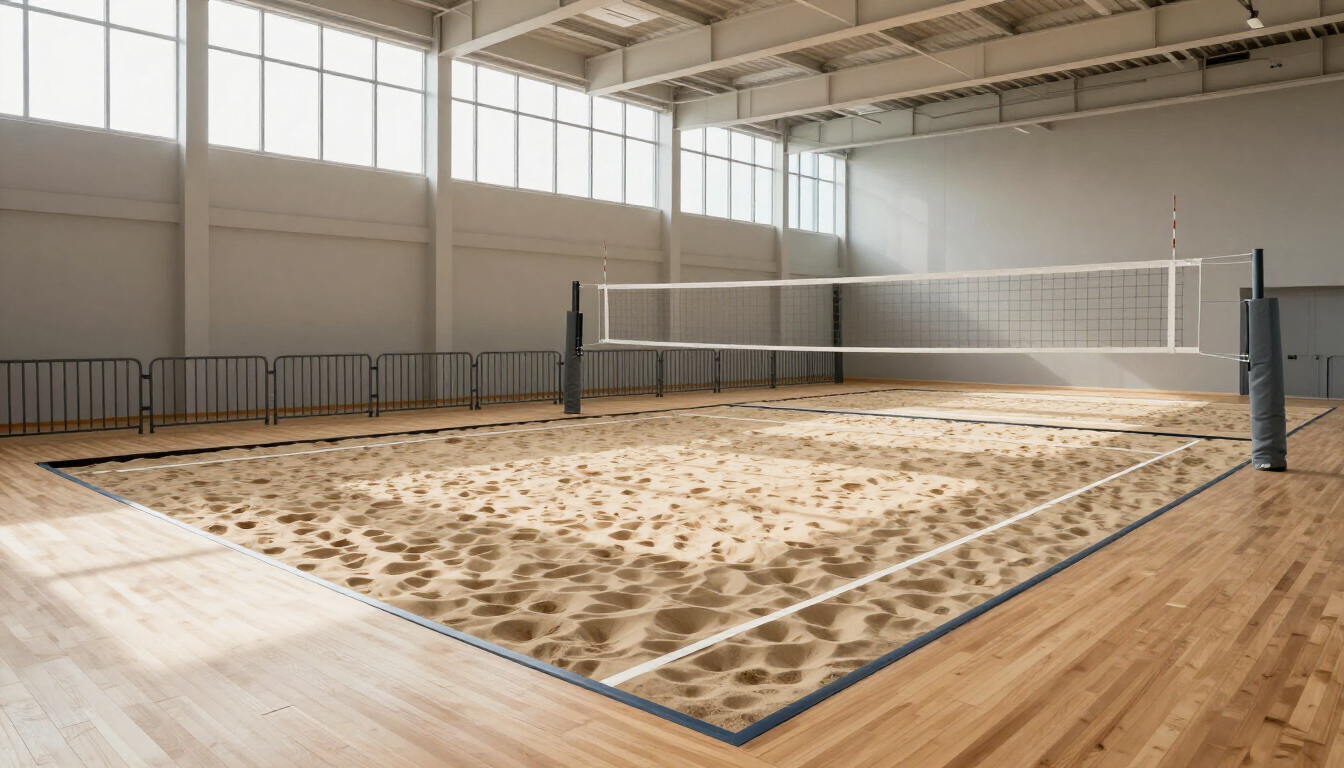
indoor beach volleyball offer incredible ways to build skills while enjoying the game. This step-by-step guide walks you through how to start volleyball training the right way, without overthinking it or burning out before you even enjoy your first match.
Step One: Understand the Different Volleyball Training Paths
Before you touch a volleyball, the first step is understanding the training environment that fits you best. Volleyball is not a one-size-fits-all sport, and beginners benefit from choosing the right setting early on.
Indoor Volleyball vs Indoor Beach Volleyball
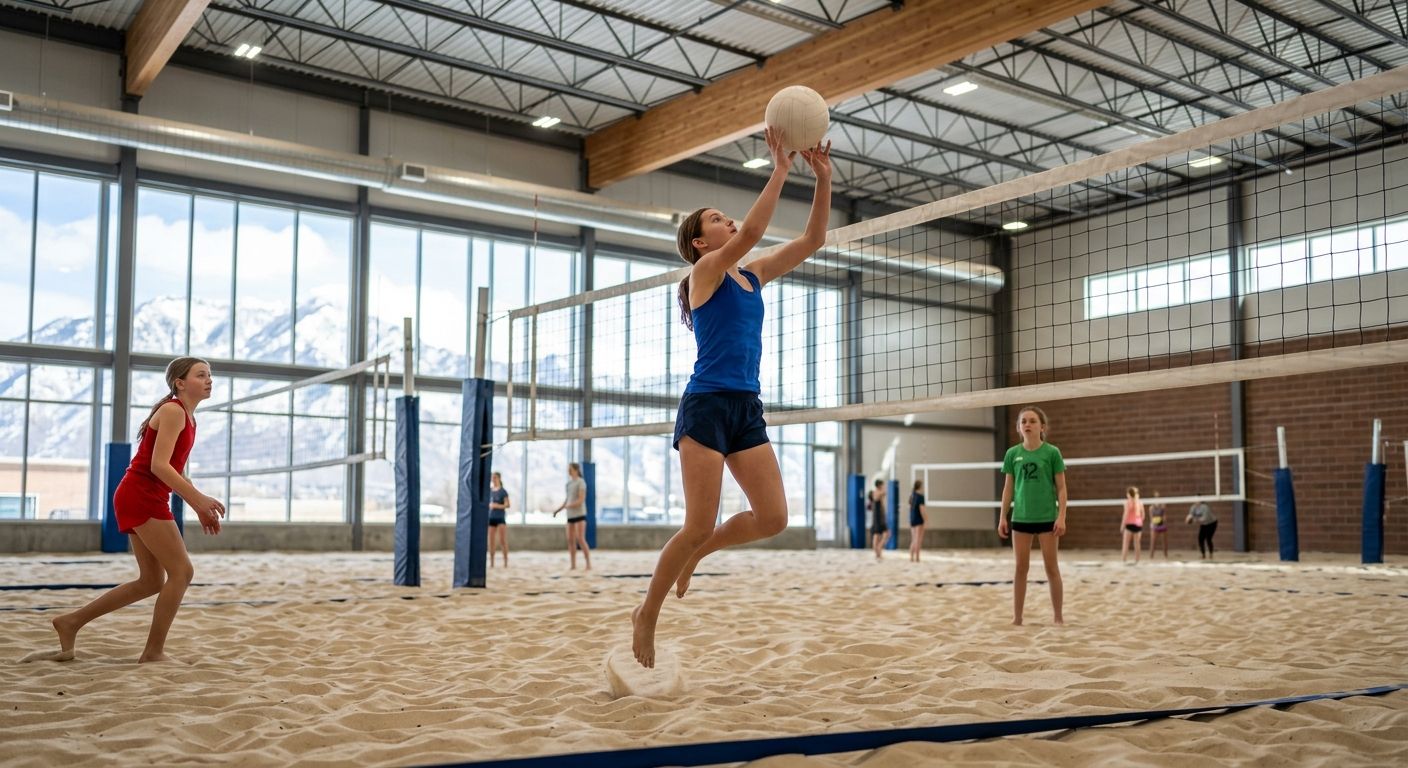
Traditional indoor volleyball focuses on six players per team, specific positions, and fast-paced rotations. Indoor beach volleyball, on the other hand, uses sand courts with smaller teams and more all-around skill development.
For beginners, indoor beach volleyball has some major advantages:
- You develop every skill instead of specializing too early
- Sand reduces joint impact, making it easier on knees and ankles
- You gain strength and balance naturally through movement
Why Structured Volleyball Programs Matter
Many beginners try to learn volleyball by jumping straight into games. While that sounds fun, it often leads to frustration. Structured volleyball programs focus on teaching fundamentals step by step so you actually improve instead of guessing.
A good beginner program should include:
- Skill instruction for serving, passing, setting, and hitting
- Controlled drills before full games
- Coaching feedback that helps correct mistakes early
Training with structure helps you build confidence and prevents bad habits that are hard to break later.
Step Two: Build the Core Volleyball Skills First
Every strong volleyball player starts with the same foundation. You do not need fancy moves or highlight-reel spikes on day one. What you need is consistency.
Passing Comes First
Passing is the backbone of volleyball. If you cannot pass the ball accurately, nothing else works. Beginners should focus on:
- Proper forearm positioning
- Staying low with bent knees
- Controlling direction instead of power
Setting Without Overthinking
Setting looks complicated but starts simple. Early training focuses on clean contact and proper hand shape rather than speed. In beach volleyball training, many beginners learn both hand sets and bump sets to stay versatile.
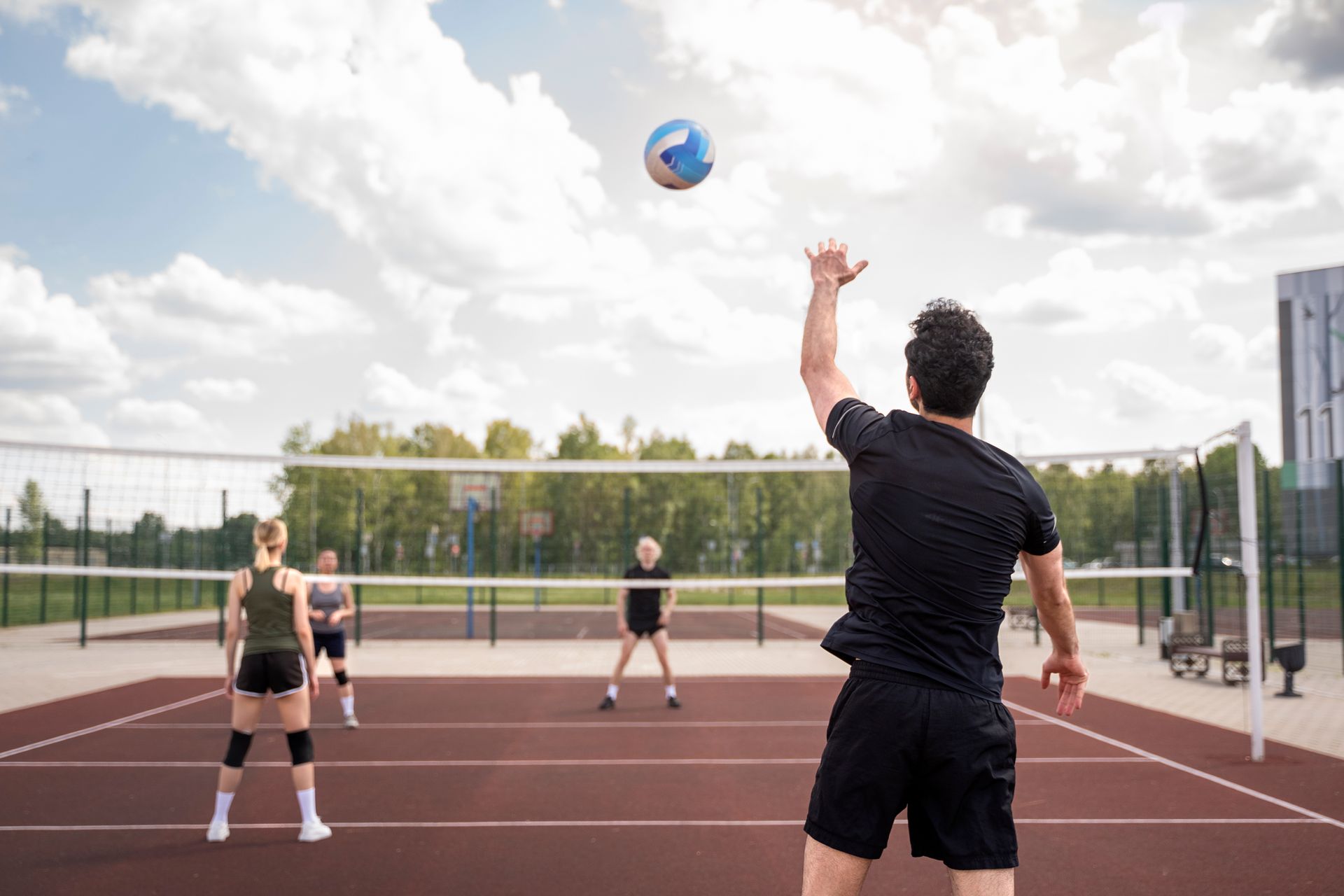
Serving With Confidence
Serving is the only skill you control 100 percent. Beginners should focus on:
- Consistent contact
- A relaxed arm swing
- Getting the ball in play rather than hitting hard
A clean, reliable serve builds confidence quickly and helps you feel useful in games right away.
Step Three: Train Your Body for Volleyball Movement
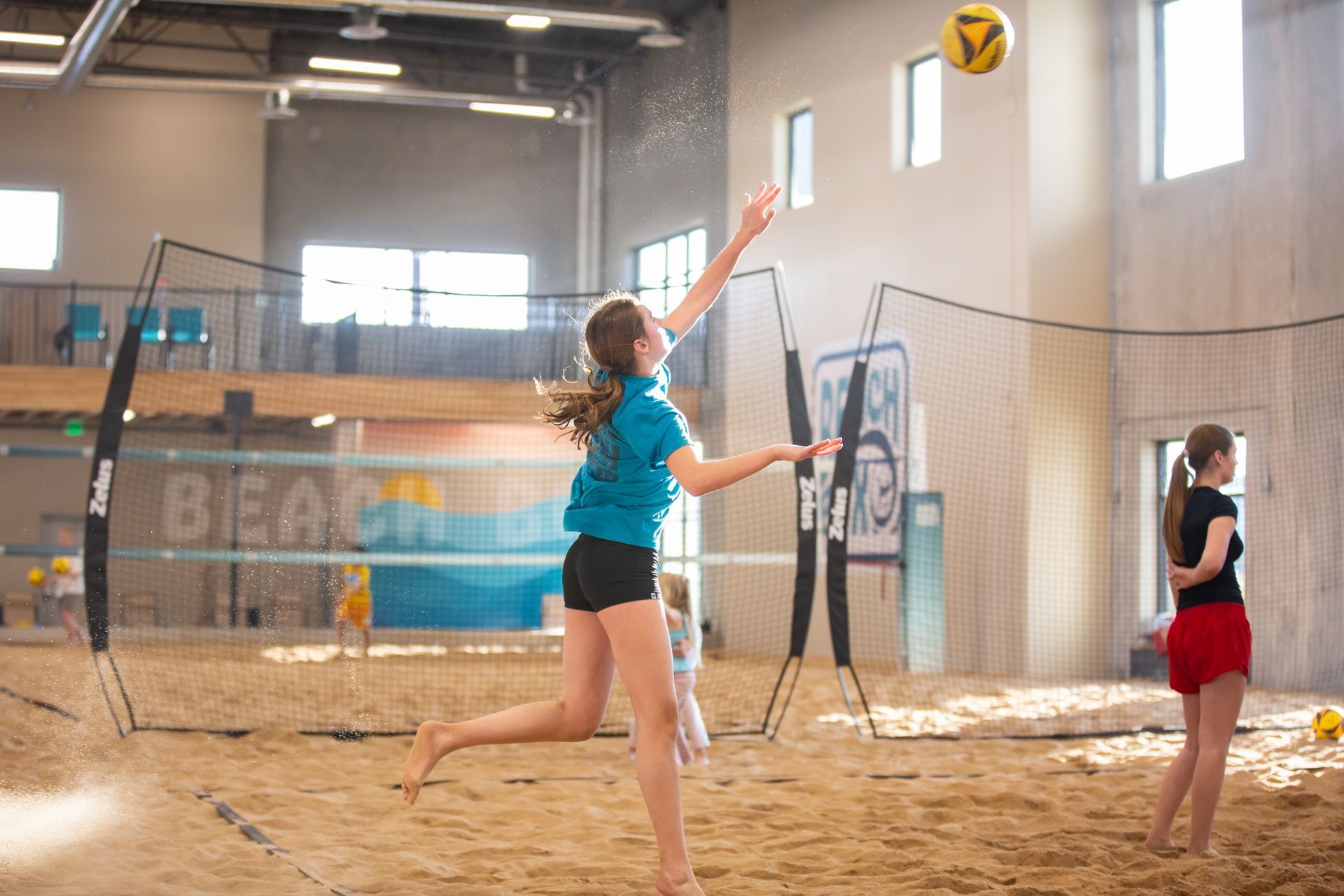
Volleyball training is not just about skills. Your body needs to move efficiently, especially on sand. Indoor beach volleyball places higher demands on balance, endurance, and leg strength.
Strength Without Overtraining
You do not need heavy weights to start volleyball training. Bodyweight exercises go a long way:
- Squats and lunges for leg power
- Planks for core stability
- Jump training for timing and coordination
Cardio That Matches the Game
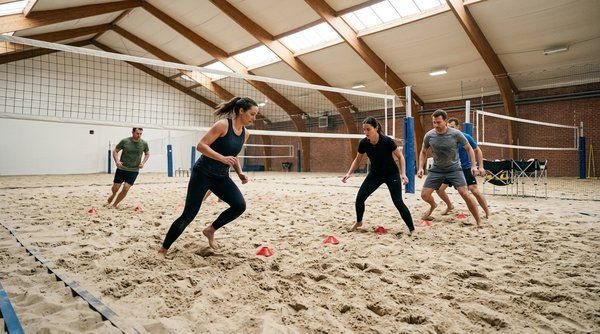
Volleyball involves short bursts of movement followed by brief rest. Interval-style conditioning mirrors the game better than long-distance running.
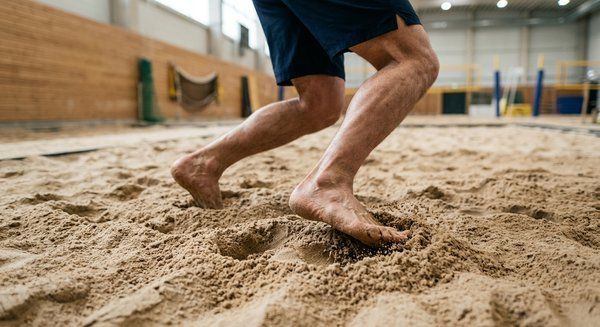
Sand training naturally boosts conditioning because every step requires more effort. Many players are surprised how quickly their fitness improves once they start training on sand consistently.
Flexibility and Recovery
Beginners often overlook recovery. Stretching, hydration, and rest days matter. Volleyball rewards players who can stay healthy and mobile over time.
Step Four: Learn the Game Through Guided Play
Once the fundamentals are in place, it is time to apply them in real gameplay. This is where beginner-friendly volleyball programs really shine.
Drills Before Full Matches
Structured play allows beginners to:
- Practice specific skills in realistic scenarios
- Learn positioning without pressure
- Build chemistry with teammates
Small Group Training Works Best
Beach volleyball thrives in smaller groups. With fewer players, you touch the ball more often, which accelerates learning and confidence.
Make Mistakes on Purpose
Every beginner misses serves, shanks passes, and mistimes jumps. That is normal. Training environments are designed to encourage mistakes so players can improve without embarrassment.
Progress happens faster when you focus on learning instead of perfection.
Step Five: Stay Consistent and Have Fun
The most important part of volleyball training is consistency. You do not need to train every day, but you do need regular reps.
Set Simple Goals
Examples include:
- Making five serves in a row
- Passing accurately to a target
- Communicating every play with your partner
Small wins build momentum and motivation.
Enjoy the Social Side
Volleyball is a community sport. Indoor beach volleyball especially creates a relaxed, welcoming environment where players of all levels mix. Many beginners stay committed because they enjoy the people as much as the game.
If training feels fun, you are doing it right.
Start Volleyball Training at Beach Box in Pleasant Grove, UT
Train Smarter and Play Better at Beach Box
Ready to take your first steps in volleyball training? Call Beach Box today at (262) 422-5951 to learn more about our professional adult training and youth training programs in Pleasant Grove, UT. Whether you are a beginner or looking to sharpen your skills, our expert coaches will guide you every step of the way, helping you improve your technique, build confidence, and enjoy every moment on the sand.
In addition to training programs, we also offer
court rentals,
youth beginner programs,
youth beach volleyball club,
homeschool beach volleyball programs,
open play, and
events and parties. No matter your age or experience level, Beach Box has the perfect volleyball program for you. Join our community today and start your journey toward becoming a stronger, more skilled player while having fun every step of the way.
Frequently Asked Questions (FAQs)
How often should beginners train for volleyball?
Two to three times per week is ideal for beginners. This allows skill development without overtraining.
Is beach volleyball harder than indoor volleyball for beginners?
Beach volleyball can feel harder at first because of the sand, but it helps beginners develop stronger fundamentals faster.
Do I need prior experience to join volleyball programs?
No. Beginner volleyball programs are designed for players with little or no experience.
What should I wear for indoor beach volleyball training?
Comfortable athletic clothing is best. Many players train barefoot or in sand socks depending on preference.
How long does it take to see improvement?
Most beginners notice better control and confidence within a few weeks of consistent training.
Share this article