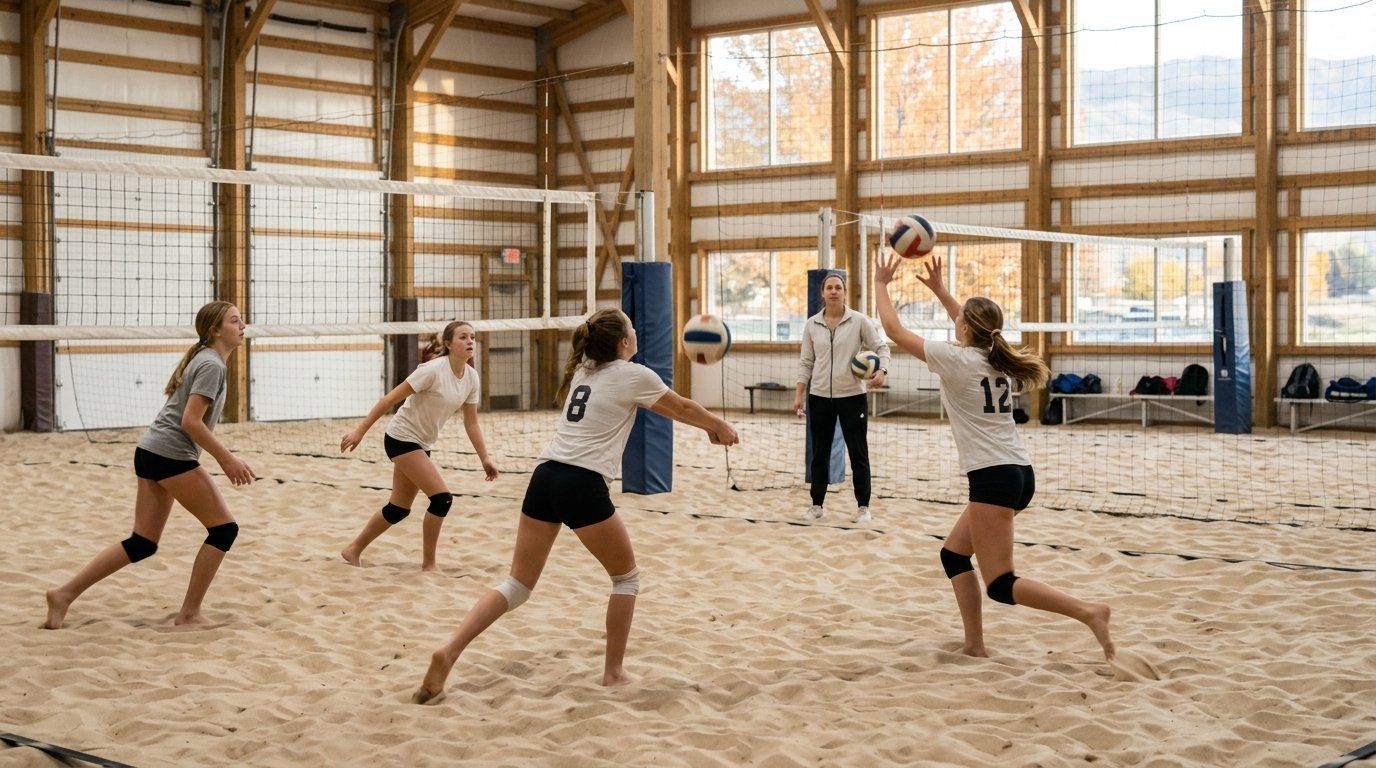
Joining a youth beach volleyball club helps young athletes in Pleasant Grove build real skills. It's also the fastest way to catch a college recruiter's eye. The sport is growing so quickly that casual weekend play no longer cuts it for kids who want to compete at higher levels. Structured club training has become the standard, not the exception.
Why the Timing Matters Right Now
Boys' high school volleyball has become the fastest-growing team sport nationally, and Utah's official varsity sanctioning has fueled a massive wave of new interest. Beach volleyball specifically continues to expand at the NCAA level, with more programs and scholarship opportunities appearing every year. That growth is exciting, but it also means more competition for roster spots.
Ten years ago, a talented kid could pick up the sport in high school and still catch a coach's eye. Today, athletes who start structured training earlier have a clear edge. Families in Pleasant Grove who wait too long risk watching their kids fall behind peers who joined a club program early.
What a Youth Beach Volleyball Club Pathway Actually Builds
A quality club experience goes beyond drills and scrimmages.
It creates a development track that mirrors how college and elite programs train.
- Consistent repetition of fundamentals like passing, setting, and hitting under game pressure
- Exposure to structured competition that builds mental toughness
- Coaching feedback that corrects bad habits before they become permanent
- A social team environment where kids build lasting friendships
- A visible track record that college scouts can actually evaluate
The
Beach Bums Juniors Club Team at
Project Beach Utah & Beach Box was built around this exact model. Kids don't just play, they progress through a system designed to prepare them for the next level.
The Indoor Advantage During Utah's Colder Months
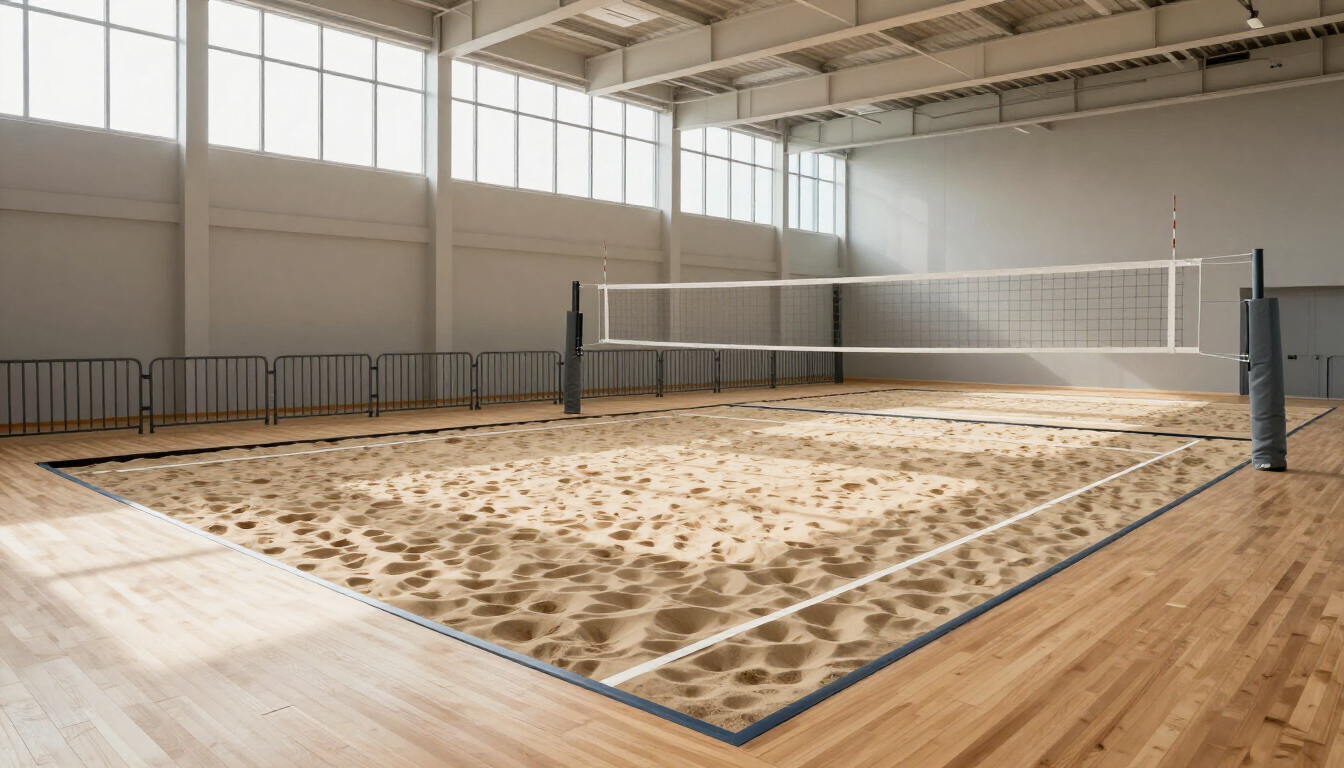
October in Pleasant Grove means shorter days and dropping temperatures, with outdoor courts quickly becoming less practical. Many families assume that beach volleyball training has to pause once the weather turns. That assumption is outdated.
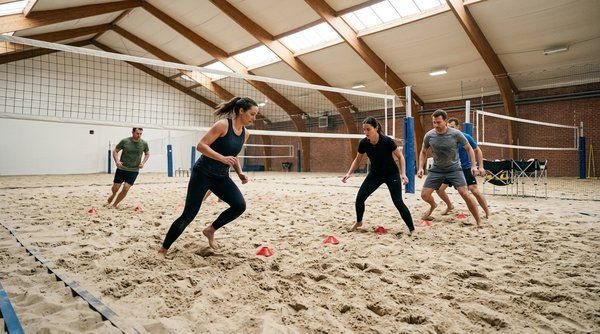
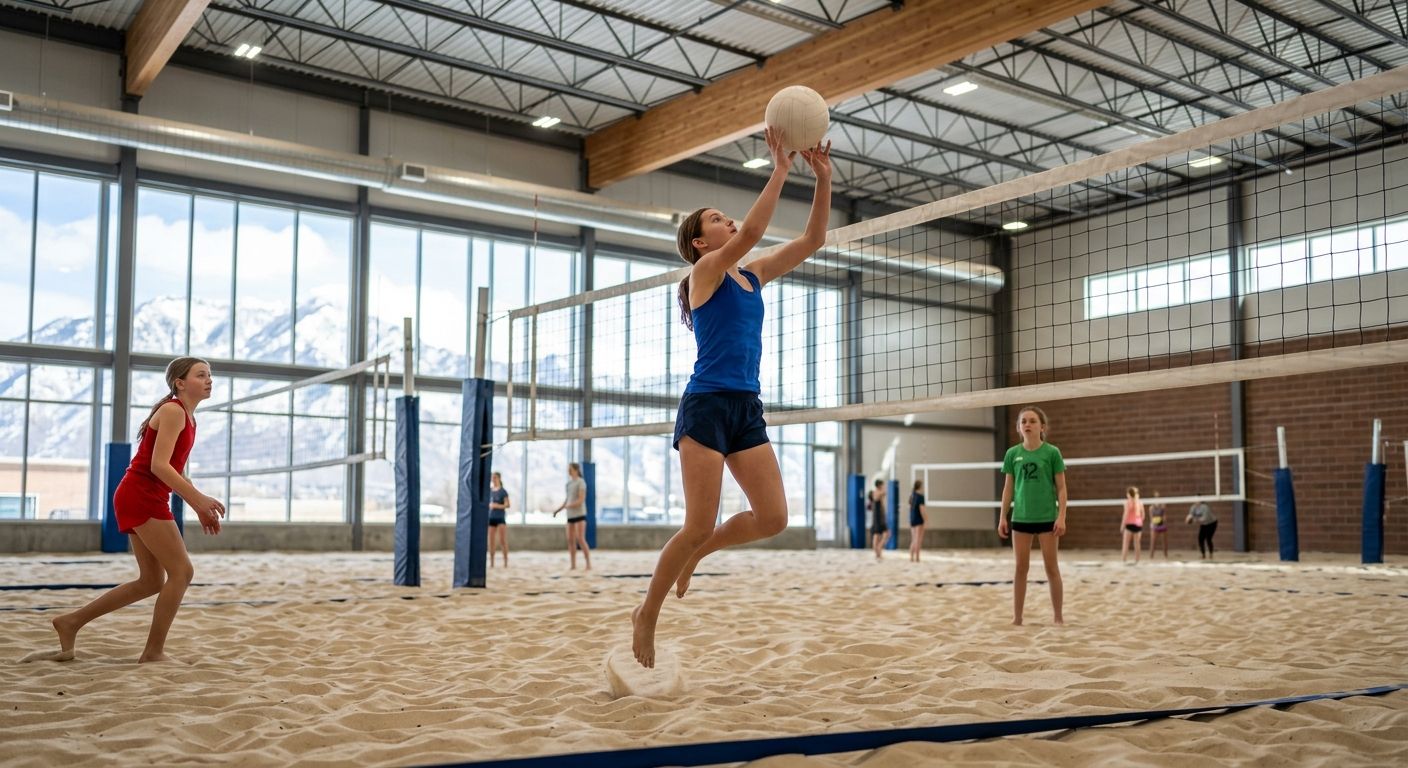
Climate-controlled sand facilities allow club athletes to train year-round without losing momentum heading into winter. Instead of a six-month gap where skills stagnate, kids keep progressing straight through the cold season. For a sport growing this fast, that consistency matters more than ever.
Sand Training Builds Better Athletes, Not Just Better Players
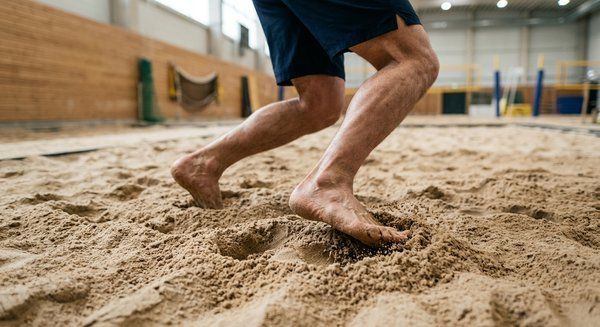
There's a physical reason club training on sand produces stronger, more well-rounded athletes. Sand is unstable underfoot, which forces the body to recruit stabilizing muscles with every step and jump. Research comparing sand-based athletes to those training only on hard courts shows meaningfully better cardiorespiratory conditioning and leaner body composition.
That translates directly to game performance. Athletes who train on sand develop stronger cores, quicker reactive footwork, and better shock absorption in their joints. A young player building this foundation early has a genuine physical advantage once they reach high school and college competition.
Choosing the Right Entry Point for Your Athlete
Not every kid is ready to jump straight into elite club play, and that's fine.
The right program depends on age, experience, and goals.
- Brand-new players often start best with
youth beginner programs
that teach fundamentals in a low-pressure setting.
- Kids ready for more structured skill-building can move into dedicated
youth training programs.
- Homeschool families looking for structured physical education paired with team sport benefits often choose the
homeschool beach volleyball program.
- Athletes aiming for competitive travel and recruiting exposure typically progress into the full
youth beach volleyball club track.
Parents don't need to guess which tier fits best. Coaches can evaluate a child's current level and recommend the right starting point.
A Community That Keeps Kids Coming Back
Skill development matters, but so does the environment kids train in. League players at the facility describe how much the coaching quality and supportive community have shaped their experience. They credit the program with genuinely transforming their game. That kind of encouragement keeps young athletes motivated through the tough practices that actually build improvement.
A club that feels like a second team family tends to retain kids longer than one that only focuses on drills. Retention matters because consistency, not intensity alone, is what produces recruit-ready athletes.